Gallery
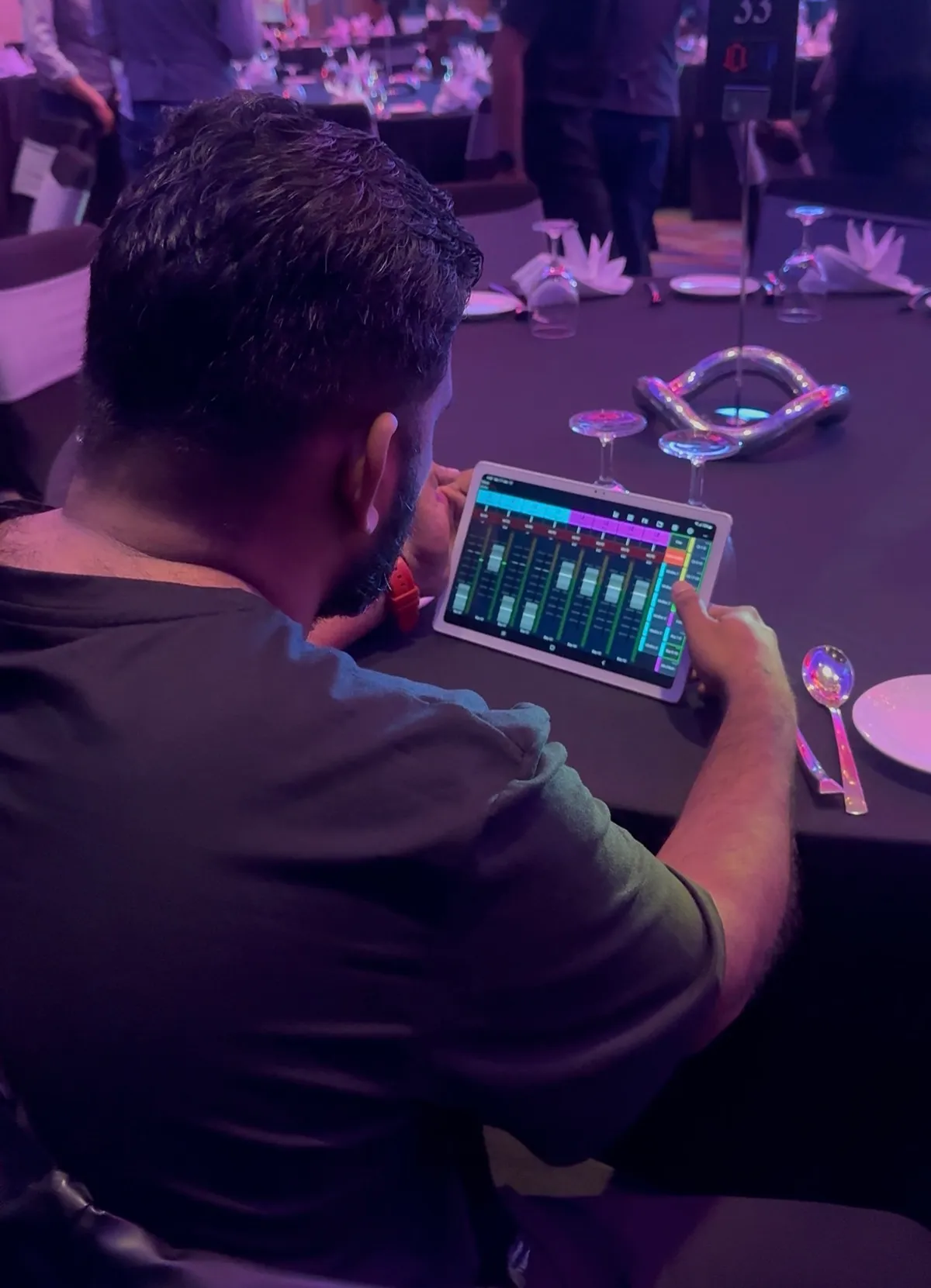
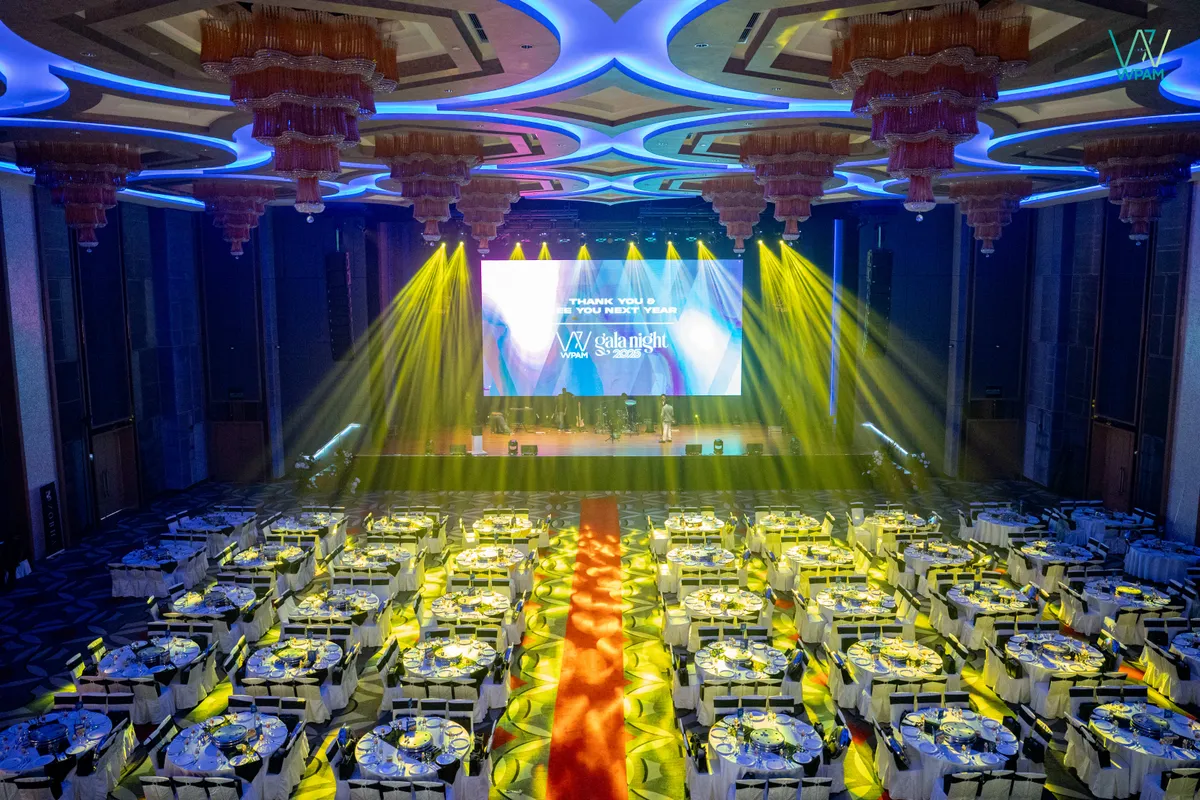
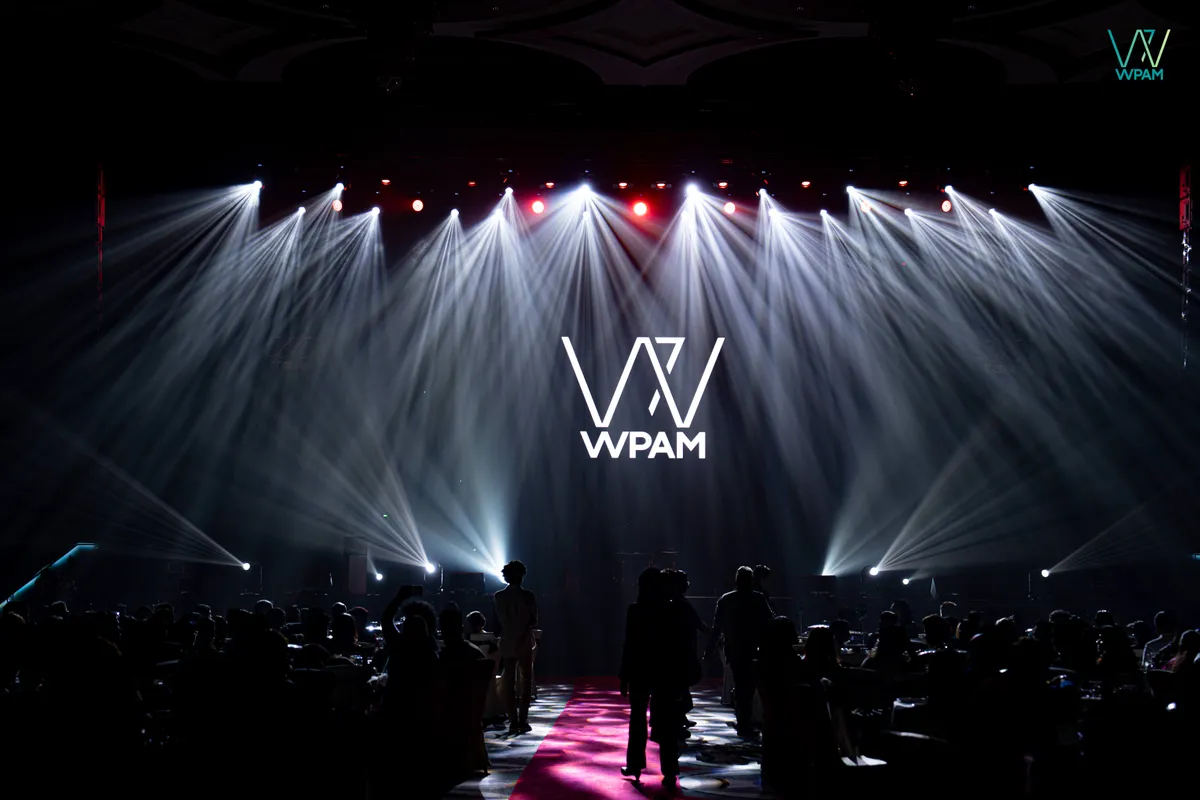
When guests tell me an event felt smooth or engaging, I usually smile and say thank you. But what I am really thinking is: that is because we controlled what they saw, what they heard, and what they felt, without them realizing it.
That is the job. Not just running an event but shaping the experience using light, sound, and visuals so that every moment lands the way it should. I do not treat these as decoration. I treat them as tools that guide emotion, direct attention, and hold the energy of a room together.
Lighting is the first thing I plan after the event flow is locked. Not because it is decorative but because it controls how people feel the moment they walk in.
When guests arrive, I keep the lighting warm and dim. It tells the brain, "relax, you are in a comfortable place." It lowers social guard and lets people settle without feeling exposed.
When the programme begins, I bring up the stage lighting slowly. Not a sudden switch. A slow build that draws the eyes forward without startling anyone. It is the visual version of someone tapping a glass before a toast. It says, "pay attention now."
For entrances, whether it is a bride or a keynote speaker, I use a blackout-to-spotlight technique. The room goes dark for just a moment. Everyone stops talking. Then the light hits the person walking in. It creates a cinematic moment that feels bigger than it is because the contrast does the work.
During dinner, I shift to warm amber tones. This is intentional. Warm light makes people eat slower, talk more, and feel connected. It is used in fine dining for the same reason.
For performance segments, I go brighter and cooler. Fast colour shifts, movement, and higher intensity. The energy in the room rises because the visual environment has changed. People sit up, they clap louder, they engage more.
None of this is random. Every lighting cue is timed to a moment in the run sheet. I walk through it with my lighting team the day before. We rehearse transitions like a performance because that is exactly what it is.
Most event planners use LED screens for logos and sponsor slides. I use them to maintain emotional continuity.
When I design the visual flow for an event, I start with the question: what should the audience feel at this exact point? Then I match the visuals to that. If a CEO is delivering a serious message, the screen behind them is clean, minimal, and still. No animation. No movement. Just clarity.
If a highlight reel is playing, the visuals are dynamic but controlled. I make sure transitions match the music tempo. I avoid visual clutter because the brain can only process one strong stimulus at a time. If the screen is busy and the speaker is talking, the audience loses both.
I also use screen content to guide transitions between segments. Instead of an emcee awkwardly filling time, I run a visual countdown, a short montage, or a branded animation that bridges the gap. It keeps the audience engaged and gives the backstage team time to reset without anyone noticing.
Sound is the most underrated element at events. Most people do not notice it until it is wrong. A mic that cuts out, music that is too loud, or silence that lasts too long. These are the things that break the spell.
I plan sound the same way I plan lighting. Every segment has a music cue, a volume level, and a transition style. When guests are arriving, I play soft ambient music at low volume. It fills the space without dominating it. The goal is to remove silence because silence in a large venue feels cold and empty.
When the programme transitions, I use music to signal change. A soft fade out. A beat drop. A swell. These are emotional cues that the audience responds to without thinking. They feel the shift before they see it.
For speeches, I reduce all background sound to zero. No ambient music. No hum. Just the speaker's voice. This creates presence. The audience naturally focuses because there is nothing else competing for their attention.
After the speech, I bring music back in slowly under the applause. It fills the gap, maintains the emotion, and transitions smoothly into the next segment. These micro-decisions are what separate an event that feels polished from one that feels disjointed.
Because guests do not remember what went right. They remember how the event made them feel. And that feeling is built in the details.
When the lighting matches the moment. When the music swells at the right time. When the visuals reinforce the message. These things create a coherent experience that people carry with them.
That is what I build. Not events. Experiences. And the tools I use, light, sound, and visuals, are not extras. They are the foundation.
Guests never remember the equipment. They remember how the room made them feel. That feeling is built in the details.